Foundation 260 Merino Quarter-Zip Review: Useful Length, Questionable Pocket Bond
At a Glance
A longer layering top with a useful retention account and a reported chest-pocket attachment failure.
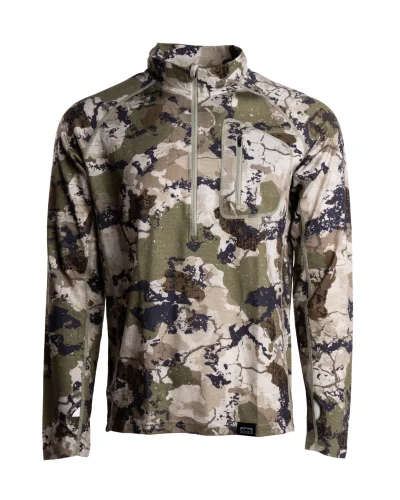
Construction & features
- 90% merino / 10% nylon
- Quarter zip
- Chest pocket
+ What stands out
- Owner valued length beneath a pack
- Thumbholes helped hold sleeves during layering
↗ Check before buying
- Chest-pocket zipper separation reported after washing
Price and availability subject to change
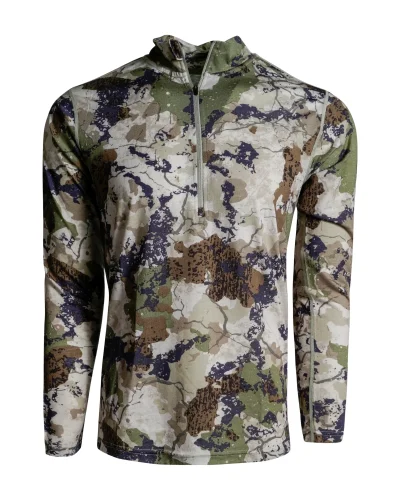
The Foundation 260 quarter-zip’s chest pocket deserves attention before purchase. A long-term wearer valued the length and sleeve retention but reported the pocket zipper attachment separating during an early wash. Whether you depend on that pocket changes how much the fault matters.
Several seasons of use, an early pocket-attachment fault
Justin Hyer’s December 2022 account describes several seasons of use, useful sleeve retention and enough length to stay tucked under a pack. He also reports the chest-pocket zipper separating during the second wash. He continued wearing the shirt, but that does not make the fault irrelevant to someone who needs the pocket.
A storage-dependent buyer has a different decision
If you intend to keep a small essential in that pocket, inspect its attachment and closure on receipt. Do not carry something irreplaceable in a pocket whose bond has begun lifting. A single report cannot establish how often the problem occurs or whether current production is identical.
Why the temperature anecdote is not a rating
The owner used this shirt with other layers while active. His comfort cannot be isolated to the shirt or transferred to a stationary hunt. Plan insulation for the complete outfit.
Keep the specification tied to the shirt
The current manufacturer description lists 90% merino and 10% nylon. Some lower page text incorrectly discusses Ridge pants; those blocks are excluded. Compare this top with the 150 quarter-zip using the garment-specific descriptions.
Pros & Cons Analysis
Based on the attributed sources and product documentation discussed above
Pros
- Tuck retention. Hyer’s cited account makes back length a meaningful fitting check beneath your own pack.
- Sleeve control. The same wearer found thumbholes useful when adding layers. Test that movement with your outer sleeves rather than relying on the feature name.
Cons
- Do not dismiss the pocket fault. If pocket storage matters, attachment quality is part of the purchase decision. One historical failure supplies an inspection point, not a quantified reliability judgment.
Choose it for layering fit, then inspect the pocket
Try the 260 when a heavier collar-based top fits your system.If secure chest storage is essential, resolve any attachment concern before use. Choose the 150 when a lighter starting layer better suits your activity.
Frequently Asked Questions
Does the owner account establish a cold-temperature limit?
No. Other layers and activity contributed to the reported comfort.
Should I treat the Ridge-pant text on the page as shirt specifications?
No. The unrelated pant blocks are excluded; this review uses the garment-specific Foundation260 description.
Technical Specifications
| Model | XKG Foundation 260 Merino 1/4 Zip |
|---|---|
| Edition | XKG4108 |
| Intended fit / audience | Men’s listing |
| Fabric composition | 90% merino wool, 10% nylon |
| Fabric density | Not verified |
| Stretch construction | Not verified |
| Manufacturer layer-weight class | 260; manufacturer class, area basis not stated |
| Garment weight | 10.8 oz |
| Weight measurement basis | Manufacturer listed; size and measurement conditions not specified |
| Size options | Not verified |
| Exact-model size chart | Not verified |
| Hood configuration | Not verified |
| Front closure | Quarter zip |
| Thumbholes | Not verified |