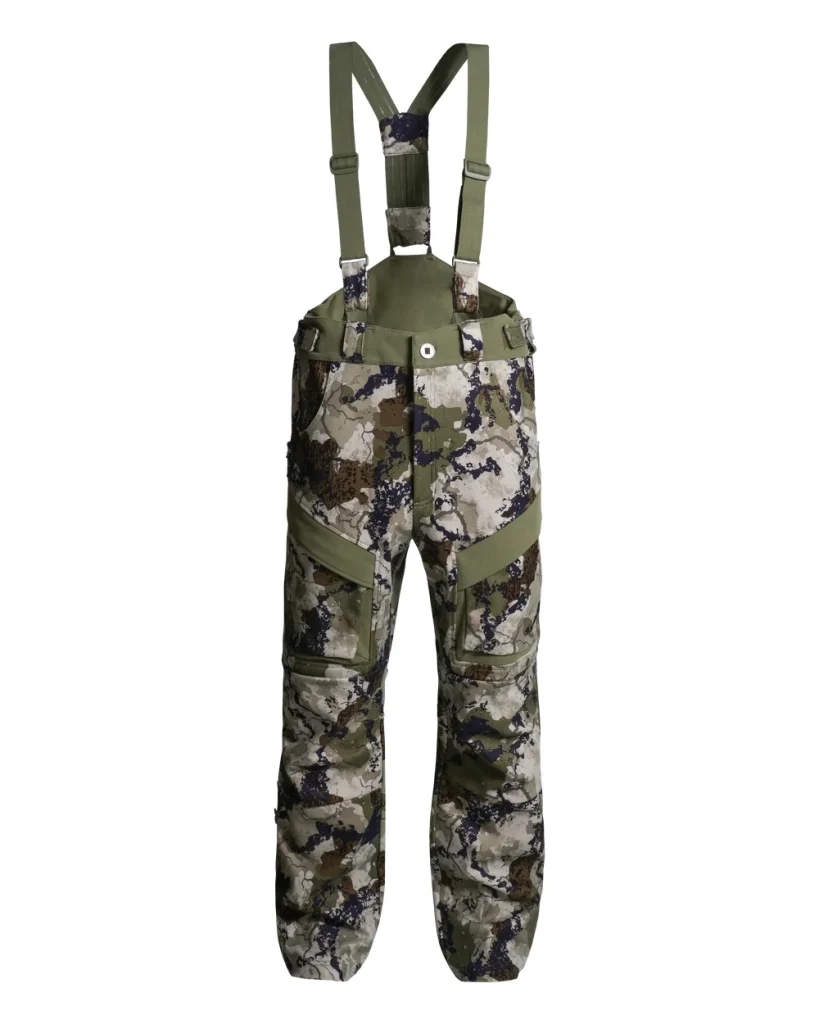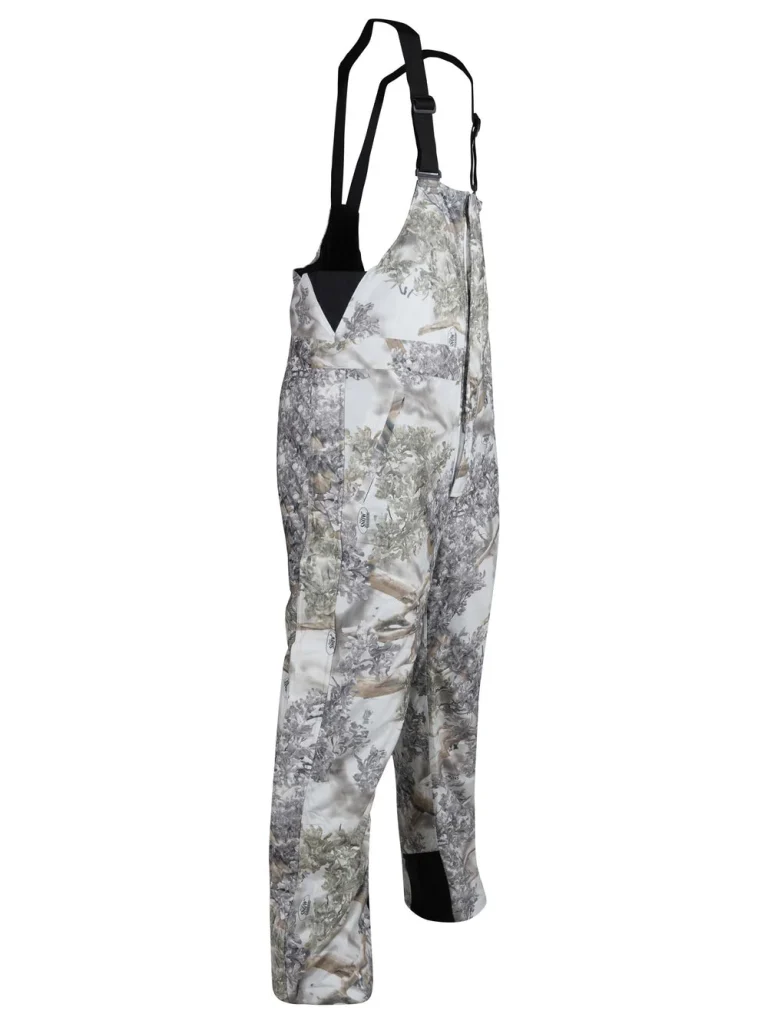

Wind Defender Pro Fleece and Weather Pro Insulated approach cold-weather coverage differently. The former documents a wind-blocking membrane with fleece and a brushed mesh lining. The latter lists synthetic polyfill in a tricot trilaminate outer. The useful question is how that construction works with your layers and movement—not which name sounds more protective.
Do not turn either owner’s cold day into a rating
Jarrod initially found Wind Defender disappointing, then reported better results after changing his layers. Kenneth found it snug with added layers and had the straps extended fully. Weather Pro owner Greg reported warmth on a 15-degree stand sit; another cold-weather account involved separate base layers and a jacket. Those outfits and activities prevent a fair temperature ranking.
| Construction point | Wind Defender Pro Fleece | Weather Pro Insulated |
|---|---|---|
| Insulation description | Fleece face; brushed mesh lining; membrane | Polyfill; “100 grams” claim has no stated basis |
| Leg access | Full-length two-way zippers | Full-length zippers |
| Shoulder fit | Adjustable suspenders | Elastic adjustable suspenders |
| Waterproof limit | Explicitly not fully sealed at seams | Seam sealing not verified |
Brush and wet ground require separate decisions
JM reported briars collecting on Wind Defender fleece. That makes the route through brush relevant even when warmth is acceptable. Weather Pro snow-crawling comments support attributed snow use; they do not certify waterproof seams or abrasion resistance. A membrane name or a water-resistant pocket zipper does not close either evidence gap.