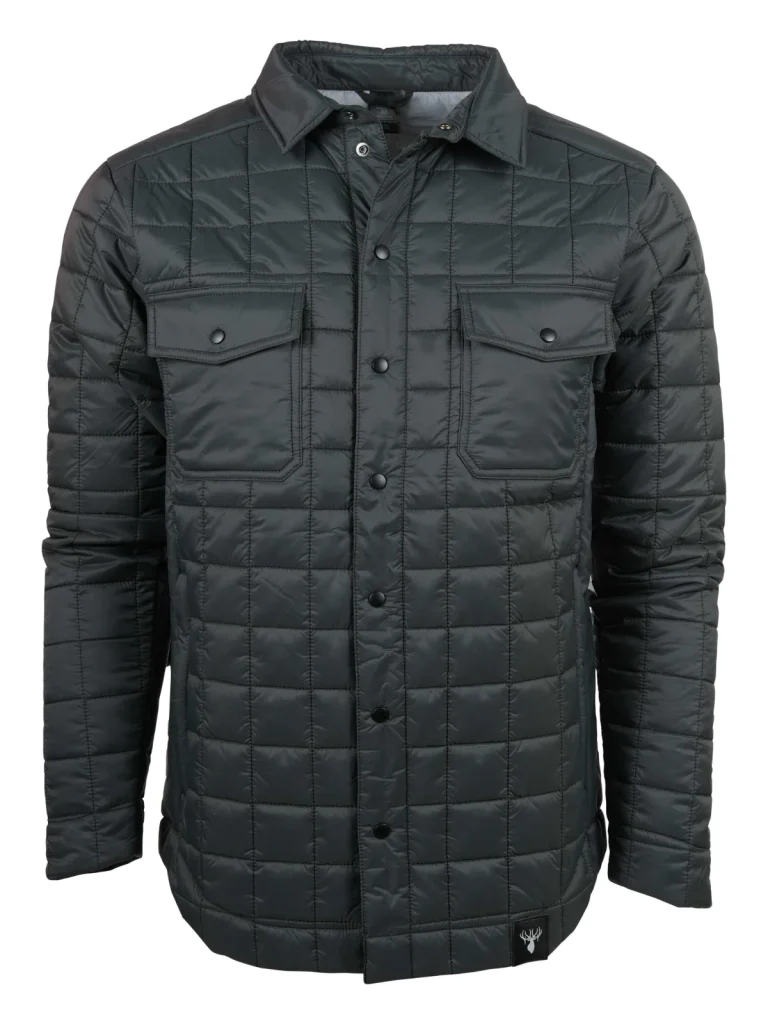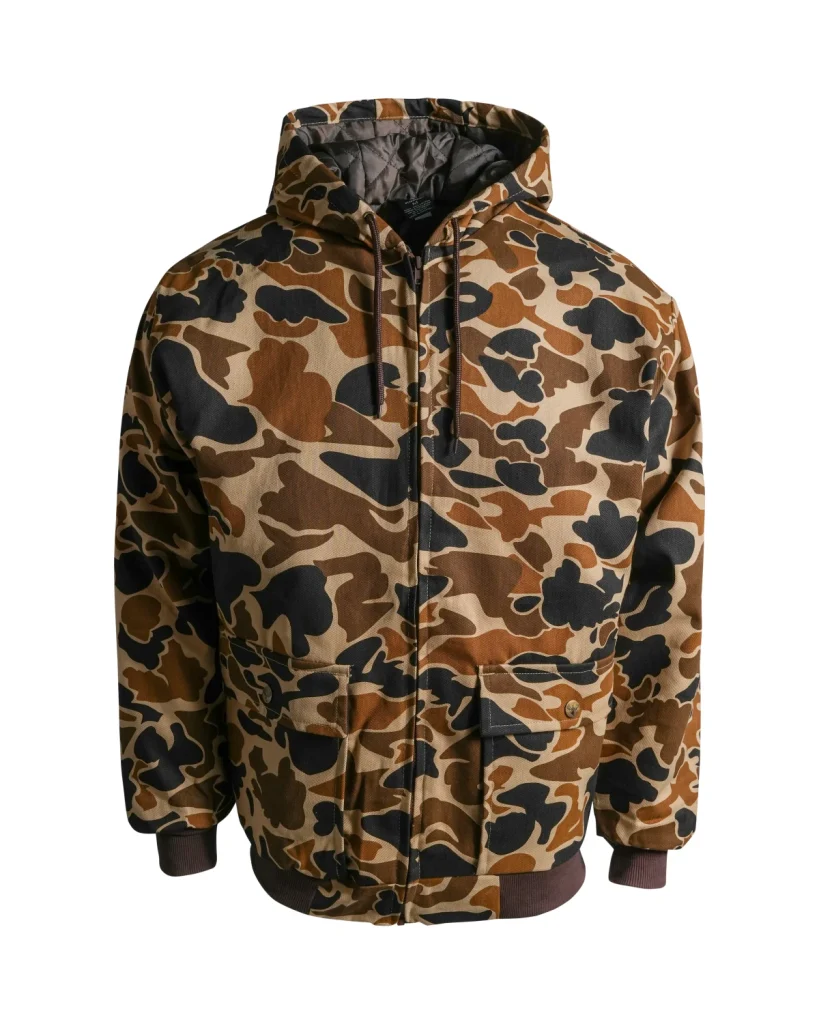

A wider coat is not necessarily a longer coat. That distinction is central to Bighorn versus Classic Bomber: Bighorn’s trim shape can restrict the chest, while Bomber’s roomy body can still leave an owner wanting a lower hem.
| Proportion that matters | Bighorn evidence | Bomber evidence |
|---|---|---|
| Chest and waist | David likes the taper; Joel finds the chest tight despite workable arms | Owners welcome room over a hoodie |
| Body length | One owner wants less length | Two owners want more length |
| Daily handling | John uses it for yard work and errands | Robbin uses it for chores; a separate owner finds hand openings narrow |
Compare them over the clothing you repeat most often
For a tee or thin shirt, a trim body may be useful. For a substantial sweatshirt, that same cut may make you size up for chest room and accept unwanted length. Bomber may solve room but create a seated waist gap. These are different tradeoffs, so trying the same nominal size in each is not enough to declare a fit winner.
The nylon Bighorn lists 80g synthetic insulation; the cotton-ripstop Bomber lists 150g polyfill. Neither supplies a common total or area basis. Those figures cannot establish a warmth ratio.
Bomber’s owner sound reports also conflict. If close quiet movement is essential, that unresolved issue belongs ahead of a general work-coat preference. If neither proportion works, the everyday jacket shortlist includes a different soft-shell format rather than forcing this pair into a winner.