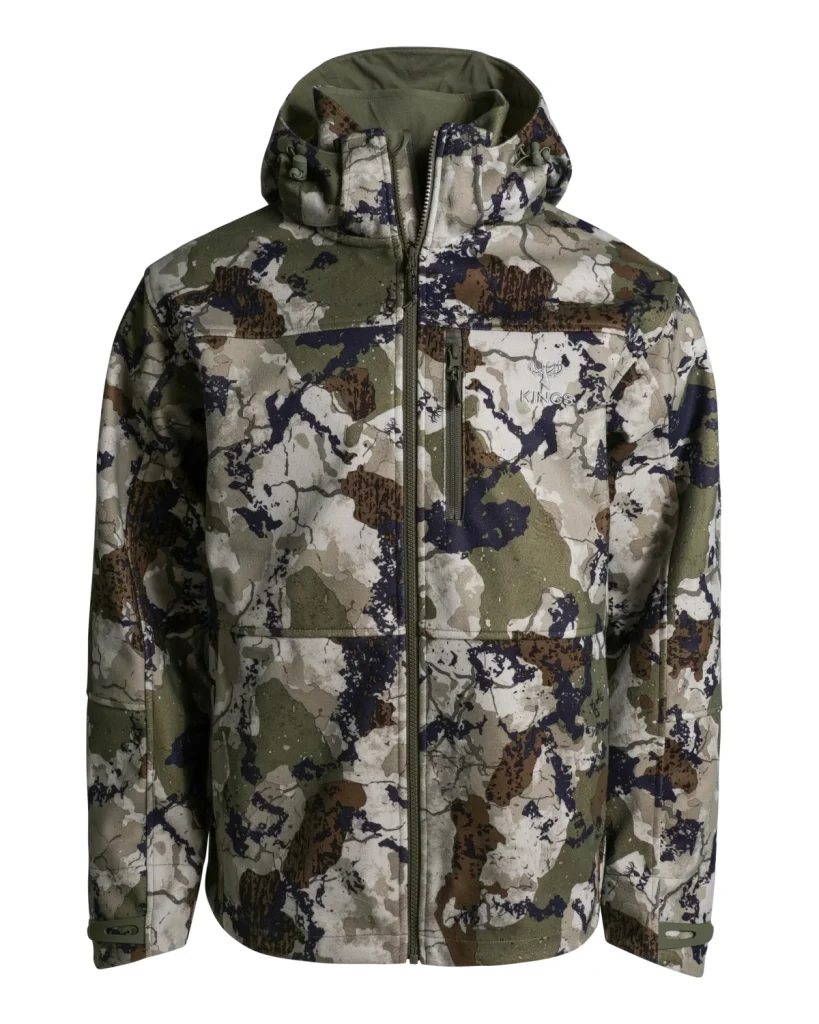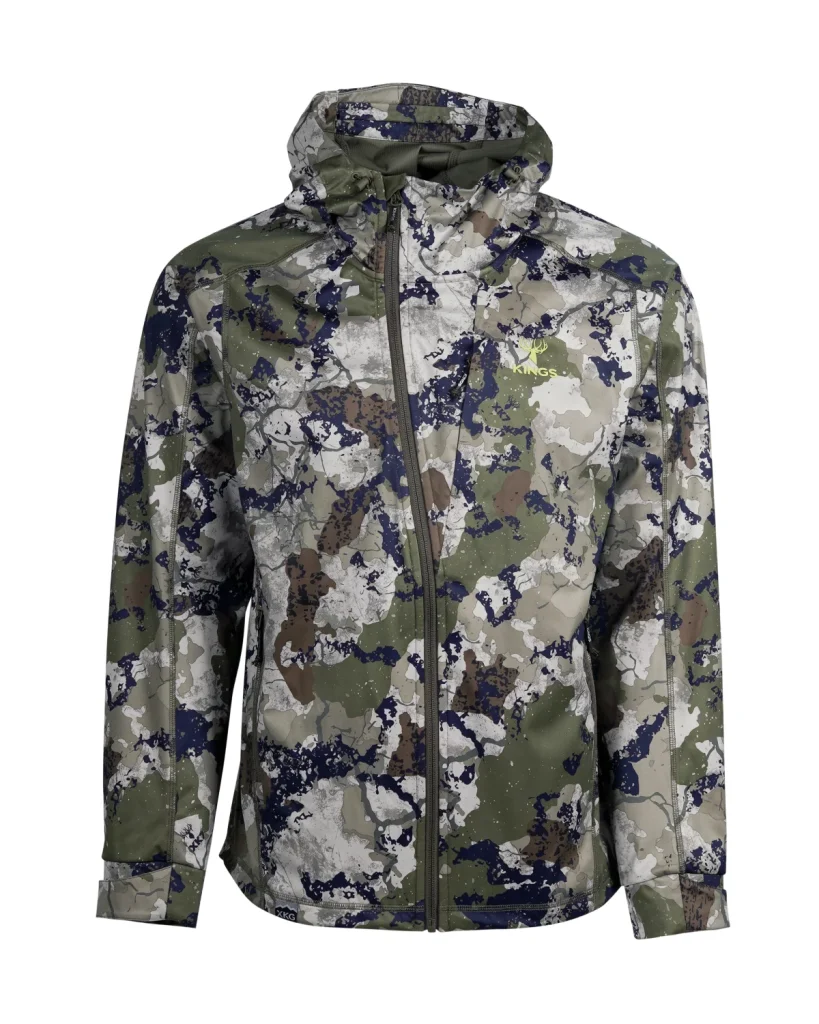

These jackets answer a concrete control preference: a removable conventional hood on Hunter Wind-Defender, or Tracker’s offset front zipper beside the chin. Choose the arrangement you need, then require the rest of the garment to work with it.
A favored control does not cancel a failed one
| Candidate | Useful owner evidence | Stop condition |
|---|---|---|
| Hunter Wind-Defender | C. P. values the removable hood and smooth movement over layers | Brandon’s hand entry is tight; Ross reports a historical hood-anchor failure |
| Tracker | Ryan and Landon value the offset neck position | Levi cannot keep the hood out of his eyes |
If you normally leave a hood off, Hunter’s removable design answers that preference directly. If a front zipper against the neck is the annoyance, Tracker’s owners explain why the offset can help. Neither reason excuses an uncomfortable cuff or obstructed view.
Keep the shell role and rain limit visible
The Hunter description lists fleece, a membrane, untaped seams and 33.4 oz without a measured size. The Tracker description lists a two-layer stretch shell, light rain protection and 17.4 oz without a measured size; one owner’s XL is 19 oz. The records describe different constructions but do not support a precise same-size weight ratio.
Hunter has Bob’s damp-shoulder account; Tracker’s official claim stays at light rain despite some favorable wet outings. Both have conflicting sound impressions. This is a choice of a useful wind-facing garment and controls, not an evidence-backed waterproof or silence winner.