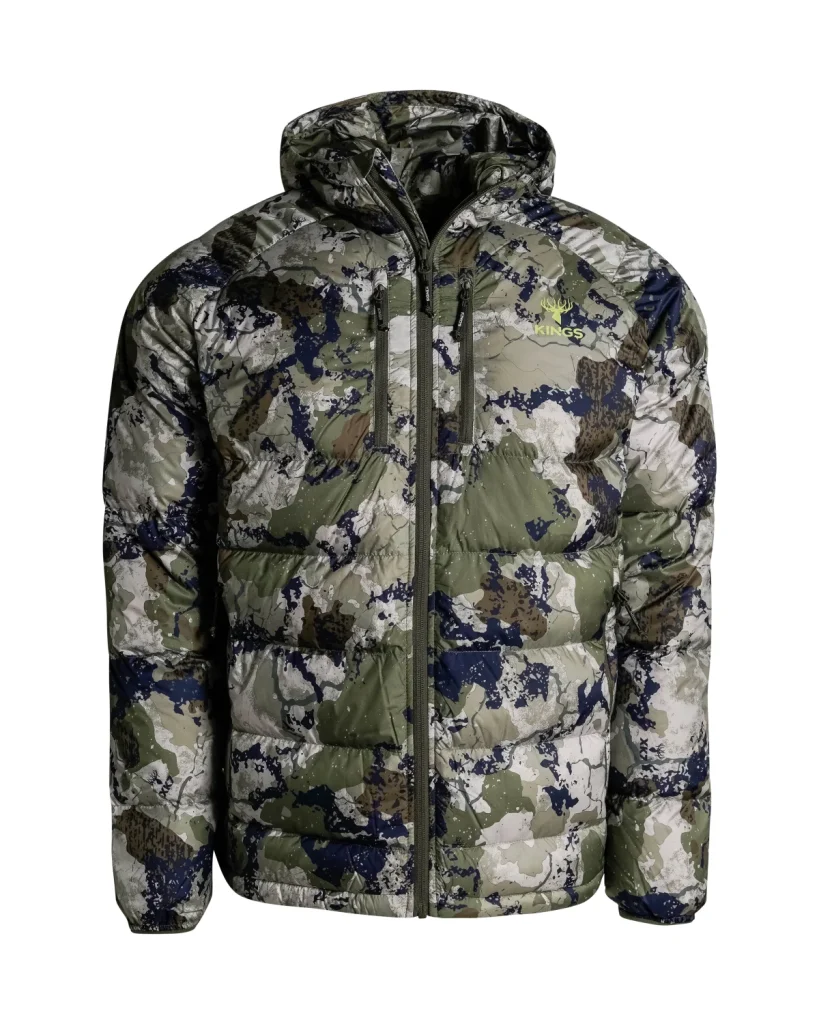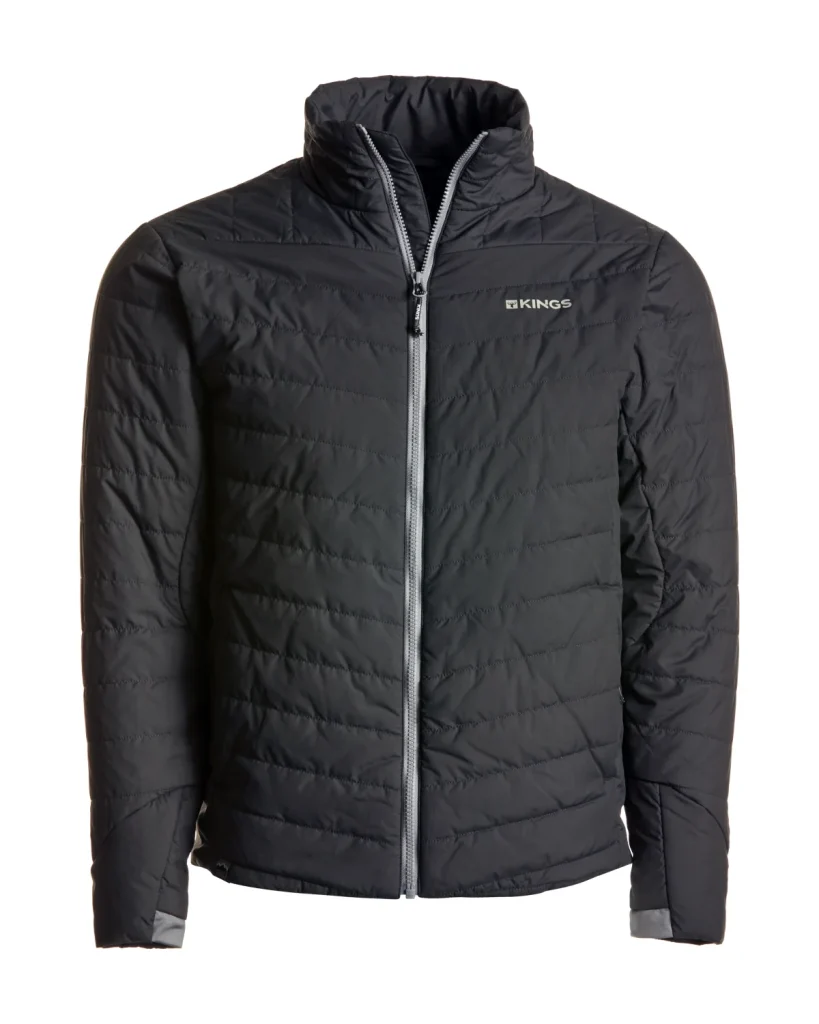
The first difference you will notice is above the insulation: Down Transition has a hood, while Transition has a high collar. If your existing shell already supplies the head coverage you want, a second hood may be unnecessary. If you specifically want a hood on the layer you wear at a stop, the collared model does not provide it.
After the neckline, compare the way each size fails
| Down Transition | Synthetic Transition |
|---|---|
| Doug reports shoulder restriction, while Samuel values free arm movement. | Nate finds Large tight at the shoulders and sleeves, but XL loose at the waist. |
| Tanner and Cody feel drafts when using open hand pockets. | Traven dislikes the tall collar; other owners like the layering fit. |
These differences are more actionable than a warmth ranking: reach in the intended layers, use the pockets, and close the neckline. If neither jacket fits those ordinary actions, a different fill does not solve the purchase.
The numbers do not provide a tie-breaker
The down specification lists 145g of 800-fill treated goose down and 13.6 oz for Medium. Cody reports 14.8 oz for his Medium. The synthetic specification lists Primaloft Gold Cross Core, 100g without a stated area or total basis, and a 17 oz garment without a size basis. There is no matched warmth test or exact same-size weight comparison.
Jason’s impression that the synthetic feels similarly warm to his down jacket is a personal comparison. Use the stop-layer shortlist if neither neckline or cut works and carrying a different insulation format is still the goal.