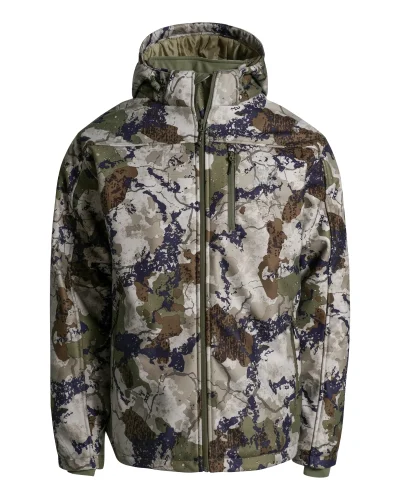
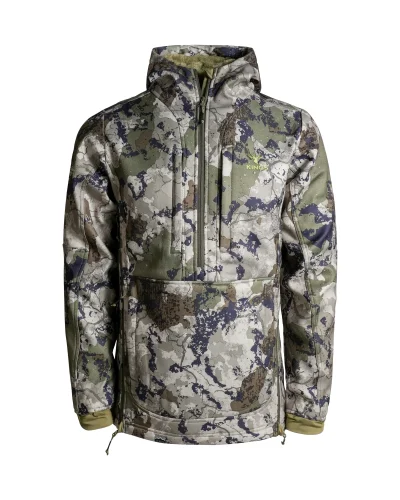
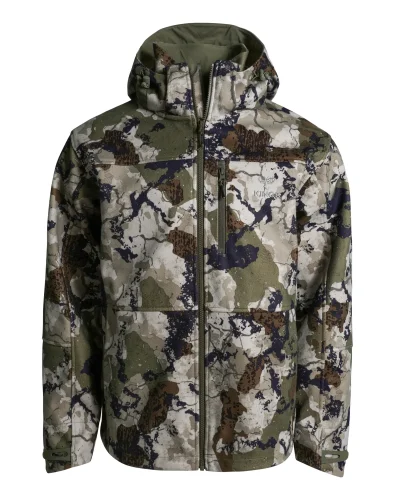
XKG Down Transition Jacket Review: Packable Warmth and the Pocket-Draft Problem
At a Glance
A carry-friendly insulation candidate, provided pocket drafts, adjustments and shoulder fit suit your use.
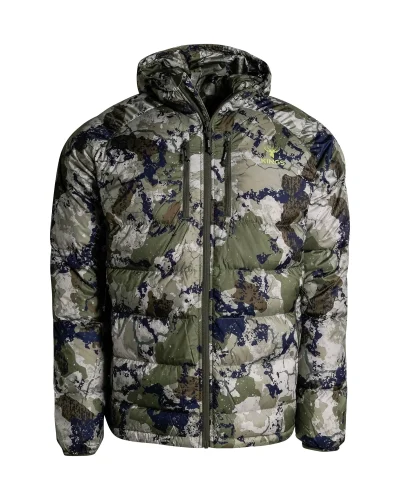
Construction & features
- 800-fill treated goose down; 95% down / 5% feather
- 145g listed fill mass
- DWR-treated polyester shell
- Packs into a hand pocket
- 13.6 oz listed for Medium; an owner reports a different Medium weight
+ What stands out
- Owners describe packable warmth for cold stops
- Longer-term use reported by one owner
- Several owners retain useful movement over layers
↗ Check before buying
- Open hand pockets can admit cold air
- Hood and waist adjustment can be awkward
- Shoulder fit conflicts across owners
- One post-wash clumping report contrasts with successful care elsewhere
Price and availability subject to change
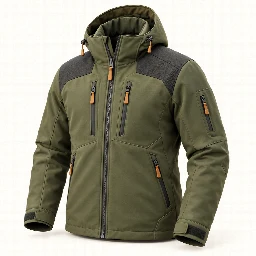
Down Transition is most compelling as warmth you can carry until you need it. Its useful compromises become clearer once it is on: hand-pocket openings, hood adjustments and shoulder room can affect comfort even when the fill feels warm.
Where does comfort change?
| Observed point | Relevant evidence | Buying implication |
|---|---|---|
| Hands enter open pockets | Tanner and Cody feel cold air at the pocket area | Open-pocket use may conflict with the way you rest |
| Hood or waist needs adjustment | Cody describes awkward two-handed controls | Try the control you expect to use repeatedly |
| Arms reach through layers | Doug reports restriction; Samuel values free movement | Resolve the shoulder fit before relying on torso room |
This is not a list of defects every jacket has. It is a map of specific things owners noticed. The pocket-draft guide helps separate that opening from a problem elsewhere in the outfit.
The carry case is stronger than a claim of perfection
McCade uses the jacket for cold rifle outings and Kody describes six years of use. Those accounts support the carry-and-stop role without proving that current stock matches every historical garment. The current listing gives 145g of 800-fill treated down and 13.6 oz for Medium; Cody reports 14.8 oz for his Medium. The measurement difference remains unresolved.
A substantially different outer-shell role is covered in the Expedition comparison.
Pros & Cons Analysis
Based on the attributed sources and product documentation discussed above
Pros
- Warmth that owners actually carry. McCade uses the jacket on cold rifle outings and Kody describes repeated use over six years. These support the carry-and-stop role without proving a universal lifespan.
- Comfortable layered movement is possible. Jason H. describes room without excessive bulk and Samuel values range of motion. Doug’s contrary shoulder fit remains relevant below.
Cons
- Pocket openings can change comfort. Tanner and Cody separately notice cold air at the hand-pocket area. This matters if you routinely rest hands there rather than keeping them zipped.
- Adjustments take attention. Cody describes untethered cord keepers and awkward hood access. That is a usability account, not proof that every revision has identical hardware.
- Shoulder restriction is not solved by warm fill. Doug found tight arms and shoulders, while others report free motion. Test the actual layered reach.
- Care outcomes conflict. Preston reports lumping after a wash; another owner restored loft after laundering. The actual label and manufacturer advice take precedence over either anecdotal procedure.
Buy the carried warmth only if ordinary use stays comfortable
- Keep it when packing, shoulder movement and the hood adjustment suit your stop routine.
- Treat pocket drafts as decisive if you normally rest with hands in open pockets.
- Use the received care instructions; favorable packing history does not settle a wash-method disagreement.
Frequently Asked Questions
Is treated down the same as a waterproof jacket?
No. Treated fill and a DWR shell do not establish fully sealed waterproof garment construction.
Which Medium weight should I use?
The manufacturer lists 13.6 oz; one owner measured 14.8 oz. The garment revision and measurement conditions are not reconciled.
Technical Specifications
| Model | XKG Down Transition Jacket |
|---|---|
| Edition | XKG4422; historical owner editions not verified |
| Intended fit / audience | Adult selected US listing; exact wearer fit must be checked |
| Fabric composition | Polyester shell |
| Fabric density | Not verified |
| Stretch construction | Not verified |
| Insulation type | Treated goose down; 95% down / 5% feather |
| Insulation fill weight | 145g listed fill mass |
| Down fill power and test basis | 800 fill; test standard not specified |
| Garment weight | 13.6 oz |
| Weight measurement basis | Manufacturer size Medium; one owner reports 14.8 oz for a Medium; revision/conditions unresolved |
| Size options | Not verified |
| Exact-model size chart | Not verified |
| Hood configuration | Adjustable hood |
| Front closure | YKK front zipper |
| Ventilation openings | Not verified |
| Pocket configuration | Two hand, two chest and two large internal pockets; packs into left hand pocket |
| Hem and cuff adjustment | Drawstring waist; cuffs described by owners |
| Water-resistant treatment | DWR outer finish; manufacturer describes treated down as waterproof |
| Waterproof construction claim | Not verified |
| Seam sealing | Not verified |