A fleece fabric density and an insulation fill density can both use grams per square meter while describing different materials. Keep the layer and measurement basis attached to the number before comparing jackets.
Identify what was weighed
| Published description | What it describes | What it cannot establish alone |
|---|---|---|
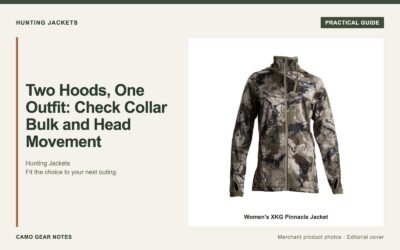
| Women’s Pinnacle: 400 g/m² body, 320 g/m² sleeves | Area-normalized fleece fabric mass in two zones | A temperature limit or warmth advantage over synthetic fill |
| Women’s Transition Flex: 130 g/m² body, 100 g/m² sleeves | Area-normalized Thermolite fill in two zones | The mass or thermal performance of the complete jacket |
| Garment weight in ounces | Whole-garment mass only if size and included parts are known | How the insulation is distributed |
These figures appear on the Pinnacle and Transition Flex pages. A larger fleece number cannot simply be declared warmer than a smaller fill number; the construction being measured differs.
Then check the zones against the outfit
The practical question is whether the torso and sleeves feel comfortable in the complete layer stack. Emily’s Pinnacle account and Cortney’s Transition account describe useful fit, but they are different people in different conditions, not a controlled comparison.
The women’s jacket shortlist selects by missing layer role. The existing apparel-weight guide covers ounces versus GSM generally; this guide specifically separates fleece fabric from insulation fill and their body zones.
Write down the material, area basis and body zone with every density value. Compare like with like, and leave whole-jacket warmth unranked when the sources do not establish it.

Leave a Reply