Read the noun attached to a weather claim: fabric, treatment, membrane or complete garment. Those are different objects, and substituting one for another is the main mistake this guide helps avoid.
Trace the claim to its object
| Evidence | What it can establish | What it does not settle |
|---|---|---|
| Fabric or membrane claim | A claimed material characteristic under an unspecified or stated test | Every seam, zipper and opening of the garment |
| Water-resistant treatment | A listed surface treatment | Indefinite rain protection |
| An owner stayed dry | An outcome for that person, layers and conditions | A universal duration or rainfall limit |
| An owner became wet | A relevant counterexample in those conditions | A failure rate across all garments |
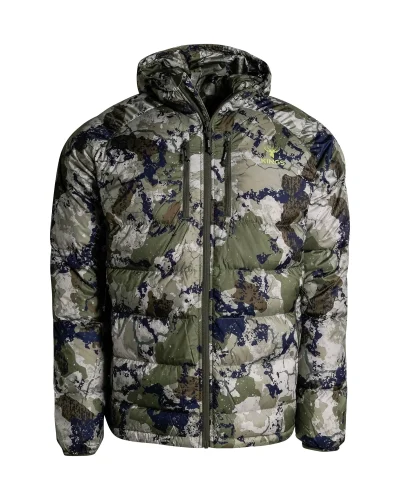
The Lone Peak Jacket listing and Pant listing illustrate why labels need context. Clinton Vaughan’s report of becoming soaked after rain shows why a weatherproof label alone is insufficient; his account does not identify the moisture route.
Apply it to the exposure you expect
- Is moisture limited to occasional contact, or do you expect sustained rain?
- Does it reach only the boot opening, or the whole upper and lower body?
- Does the exact garment documentation establish the seam and opening protection you need?
- Can the rain layer fit over the insulation you intend to keep on?
The gaiter coverage guide handles the lower-leg boundary. Dedicated rainwear is a separate category decision, not a score to infer from the word “soft shell.”
Choose rain protection from the complete garment’s documented role and fit. Keep a fabric claim, surface treatment and owner anecdote in their proper places; none alone answers every wet-weather scenario.
Leave a Reply