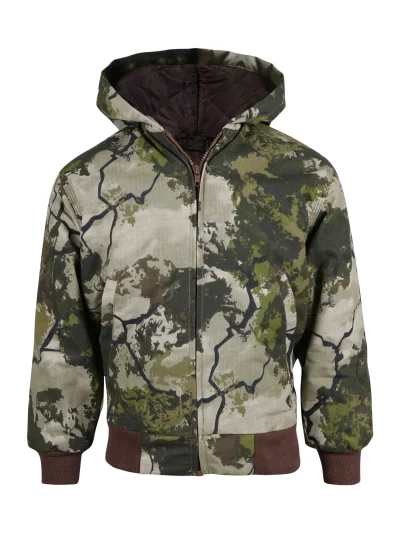
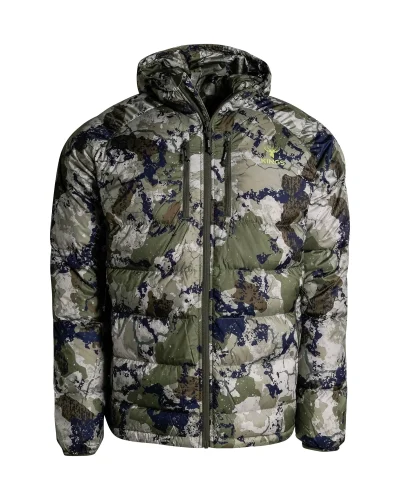
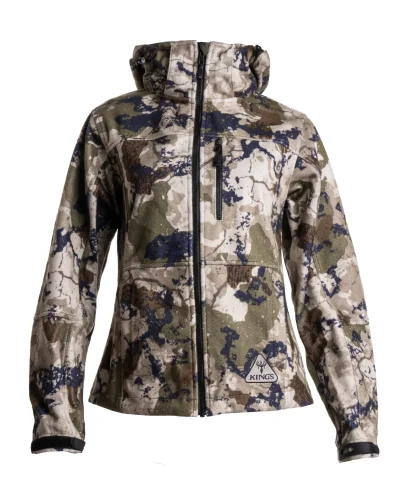
Weather Pro Insulated Jacket Review: Cold-Sit Comfort Without Accepting Excess Bulk
At a Glance
A warm outer-coat candidate when the layering room does not become movement-blocking bulk.
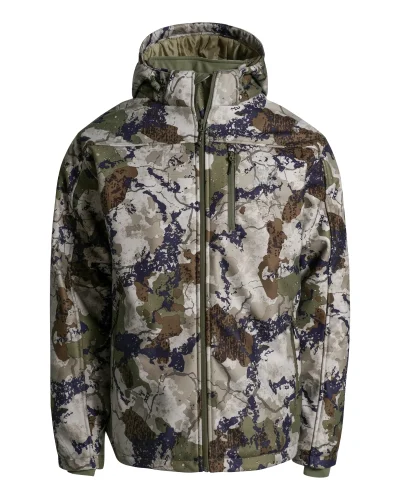
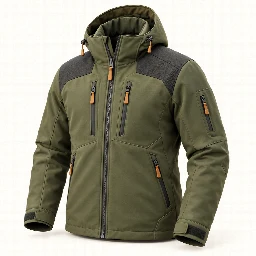
Construction & features
- Tri-laminate tricot exterior; synthetic polyfill
- 100g body/sleeves and 80g hood listed; basis unspecified
- Storm cuffs with thumb loops
- Removable insulated hood; waist and hood adjustment
- 36 oz manufacturer-listed garment weight
+ What stands out
- Owners describe warmth during cold stationary use
- Quiet material reported for woodland movement
- Removable hood and storm cuffs have practical support
↗ Check before buying
- Some sizes feel substantially oversized
- Bulk and warmth can be excessive while hiking
- Some owners prefer a stronger or two-way zipper
Price and availability subject to change
Weather Pro has plenty of favorable cold-use evidence. The purchase can still fail if its volume gets in the way. Nathan’s coat had so much spare chest and sleeve fabric that his intended bow movement was impractical; other owners deliberately welcome the room for layers.
Is the coat large, or is it ready for layers?
Answer with the full outfit on. Judging the jacket over a tee can make useful allowance look excessive. Assuming every loose fold will disappear under layers can make an unusable coat look acceptable.
| With the intended layers on… | Interpretation |
|---|---|
| The front closes comfortably and arms move freely | The extra room is doing a job |
| Sleeve or torso folds still crowd the movement | The allowance has become a fit problem |
| The body is loose but another area restricts | A different size may trade one problem for another |
Warmth does not excuse a failed fit
Seamus reports warmth in wind with base and midlayers and no uncomfortable bunching under a loaded pack. Michael G. found his oversized coat less warm than expected. Fit, activity and the surrounding clothing differ; neither account produces a temperature limit.
The tricot and polyfill construction includes storm cuffs and a removable insulated hood. Rory finds the coat useful while still but too warm on some hikes. That is a reason to think about where it will be worn, not merely the coldest forecast.
If carrying rather than wearing the coat is the main issue, investigate Hunter Loft.
Pros & Cons Analysis
Based on the attributed sources and product documentation discussed above
Pros
- Useful warmth with a real clothing system. Seamus reports a comfortable windy outing with base and midlayers; Matthew describes his merino, fleece and vest combination. Neither isolates the jacket’s temperature performance.
- Quiet fabric can matter while settling in. Garret and other owners praise the material’s sound during use. That is a subjective report, not a measured noise advantage over every alternative.
- Coverage controls are used. Owners specifically value the removable hood and thumb-loop cuffs; these details help distinguish the coat from a simple puffy layer.
Cons
- Volume can defeat the intended task. Nathan found excess body and sleeve bulk obstructive for a bow draw, whereas other buyers welcome the room. His experience is a reason to check promptly, not automatically order two sizes smaller.
- A substantial coat is not always comfortable in motion. Rory describes heating up on warmer hikes. The 36 oz listing also makes this a different carry proposition from a small stop layer.
- Zipper preferences are not failure statistics. Barry wants a two-way, heavier-duty zipper; another owner anticipates trouble. Those accounts do not establish a broken-zipper rate.
Keep allowance that works; reject bulk that interferes
Use the layered movement as the acceptance decision.Weather Pro is a candidate for a substantial cold-sit coat when the sleeves, body and cuffs remain manageable. If spare fabric obstructs normal motion, choose a different size or cut before treating warmth as a reason to keep it.
Frequently Asked Questions
Should I always size down in Weather Pro?
No. Some owners prefer its room and others find it excessive. Check exact garment measurements and try the planned layers.
Do owners establish a safe minimum temperature?
No. Clothing systems, activity, weather and individual comfort differ.
Technical Specifications
| Model | Weather Pro Insulated Jacket |
|---|---|
| Edition | KCM2401; historical owner editions not verified |
| Intended fit / audience | Adult selected US listing; exact wearer fit must be checked |
| Fabric composition | Tri-laminate tricot; fiber blend not supplied |
| Fabric density | Not verified |
| Stretch construction | Not verified |
| Insulation type | Polyfill |
| Insulation fill weight | Not verified: 100g body/sleeves and 80g hood without area-versus-total basis |
| Down fill power and test basis | Not verified |
| Garment weight | 36 oz |
| Weight measurement basis | Manufacturer listed; size/basis not specified |
| Size options | Not verified |
| Exact-model size chart | Not verified |
| Hood configuration | Removable insulated hood |
| Front closure | Front zipper; water-resistant zippers listed |
| Ventilation openings | Not verified |
| Pocket configuration | Two side pockets |
| Hem and cuff adjustment | Storm cuffs with thumb loops; waist drawstring |
| Water-resistant treatment | Not verified |
| Waterproof construction claim | Not verified |
| Seam sealing | Not verified |