Decide which garment you expect to remove first as the day warms. That helps place a vest in the outfit before you start comparing brands or insulation labels.
Outside the hoodie, inside the shell, or both?
| Position | Inspect | Reason |
|---|---|---|
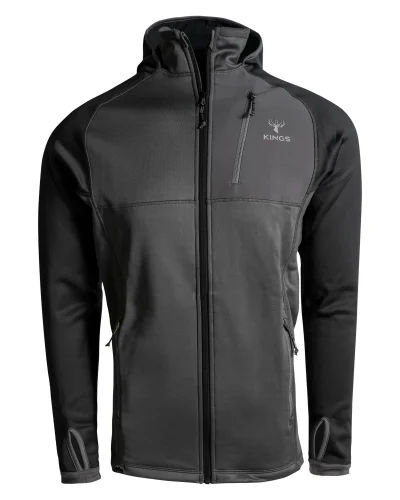
| Over a hoodie | Chest zip, armholes, hem overlap | A loose T-shirt fit may become tight over fleece |
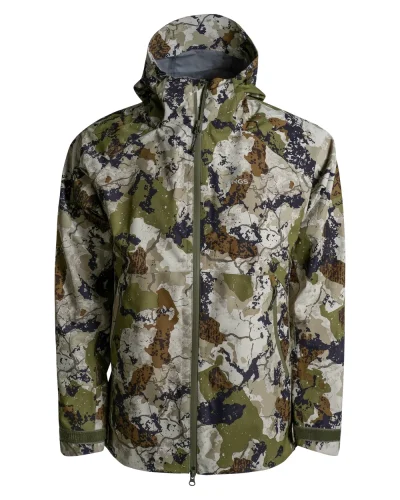
| Under a shell | Shell closure and forward reach | Two comfortable garments can become restrictive together |
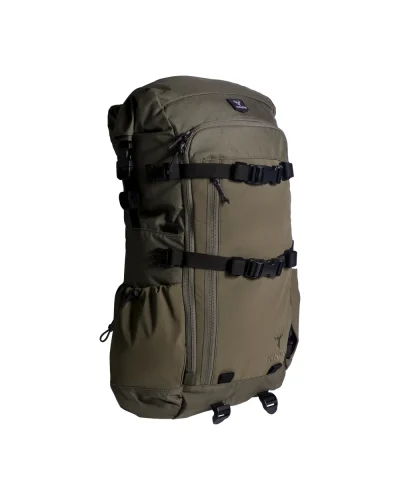
| Seated with a pack belt | Hem bunching and pocket access | Extra length is useful only if the interface works |
A Hunter vest owner used both positions but changed size. A tall Boulder owner valued sufficient length. Those accounts identify useful checks; they do not establish which size fits you.
Plan for the warmest active part of the day
Imagine the warmest active part of the day as well as the cold start. The orange soft-shell account describes both useful cold-start layering and a sweaty pack-out. Decide how you will remove or carry the vest if the extra torso layer becomes unwanted.
- If arms remain the weak point, assess sleeve coverage separately.
- If the shell cannot close comfortably, do not solve it by assuming compression is harmless.
- If extra length bunches under the belt, compare another cut rather than choosing by height alone.
Choose the vest after choosing its position in your outfit. Keep the option that closes, reaches and sits comfortably in that position, with a practical plan for removing it when activity changes.
Leave a Reply